
Why Your Heel Pain Isn't "Just Part of Getting Older" — And What Japan-Imported Gel Technology Gets Right
Thousands of Filipinos are on their feet 8+ hours a day — nurses, teachers, riders, retail staff. Most were told the sharp morning heel pain was simply something to "push through." A closer look at the material science says otherwise.

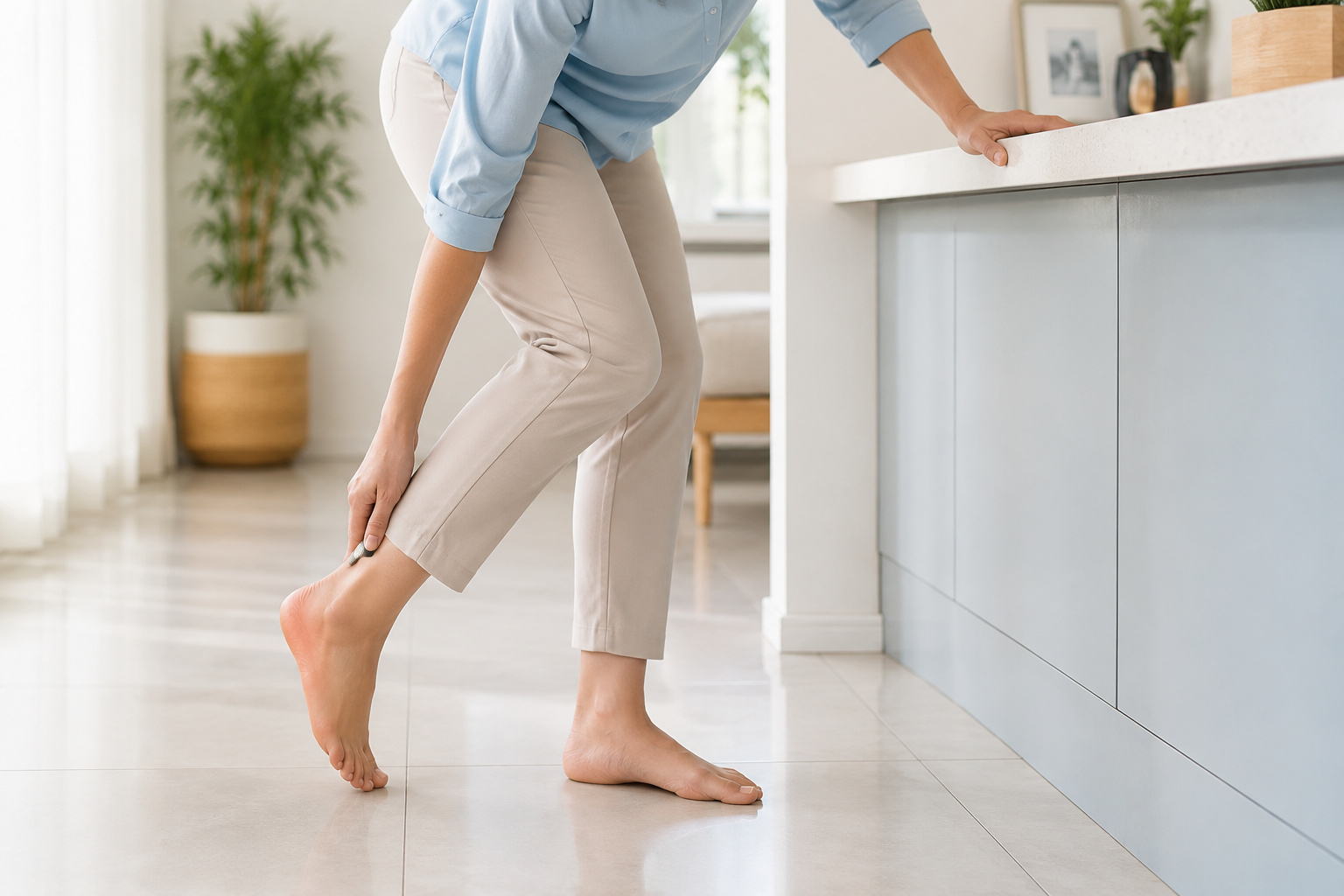
For many people who stand or walk for a living, the first step out of bed is the worst part of the day.
If you've ever swung your legs out of bed and felt that first step land like a needle straight into your heel — you already know the feeling this article is about. It's sharp. It's specific. And it fades a little as you keep moving, only to come roaring back after you've been sitting for a while.
Here's what almost nobody tells you: that pain isn't a sign that you're "getting old" or that you "did something wrong." In most cases, it's simply a sign that the soft tissue on the bottom of your heel is inflamed, dehydrated, and unsupported — and it's been absorbing shock all day, every day, with nothing helping it recover overnight.
That distinction matters, because it changes what actually helps.
The Numbers Behind the Ache
Foot and heel discomfort is one of the most common — and most under-addressed — complaints among people who are on their feet for work. A few figures paint the picture:
Figures reflect commonly cited industry and consumer survey ranges for general reference; individual experiences vary.
The tricky part is that most of the "fixes" people reach for first — new insoles, random stretches, painkillers — target the wrong layer of the problem. They either cushion the shoe, or numb the sensation, but they don't do anything for the heel tissue itself while it's actually at rest, which is when it needs support the most.
"We kept treating the shoe. Nobody was treating the heel."
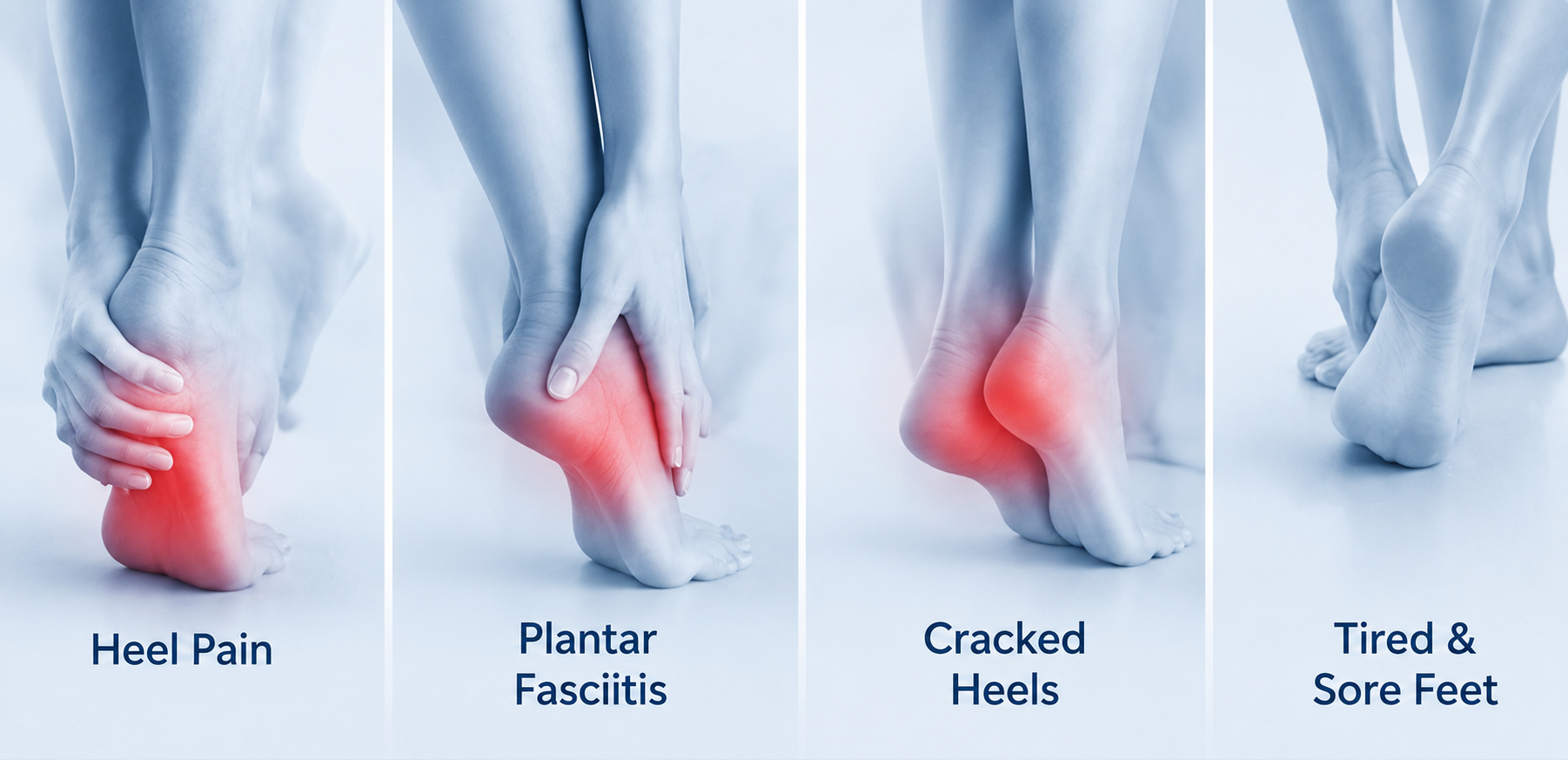
The Overlooked Piece: What Happens When You're Not Walking
Podiatric-inspired thinking around heel discomfort has increasingly pointed to a simple but overlooked idea: the heel needs consistent, gentle compression and cushioning throughout the day — not just inside a shoe during activity, and not just as a one-time stretch in the morning.
That's the gap a new category of silicone heel sleeves is designed to close — and it's the idea behind the Recovery Heel Pads by Luxerin PH, a Japan-material sleeve that's been quietly gaining attention in Filipino wellness circles.
Rather than a solid gel block (which traps heat and slides around), this design uses a Japan-imported, medical-grade gel silicone sleeve engineered around three ideas at once:
- 1360° gel compression — the sleeve wraps the entire heel, not just the underside, helping cushion both the heel pad and the Achilles area.
- 2AirCell ventilation holes — the perforated pattern (visible on the sleeve itself) is designed to let the skin breathe, reducing the sweaty, slippy feeling of solid gel pads.
- 3All-day wearability — thin and flexible enough to fit inside slippers or looser shoes, so the support doesn't stop when you sit down.
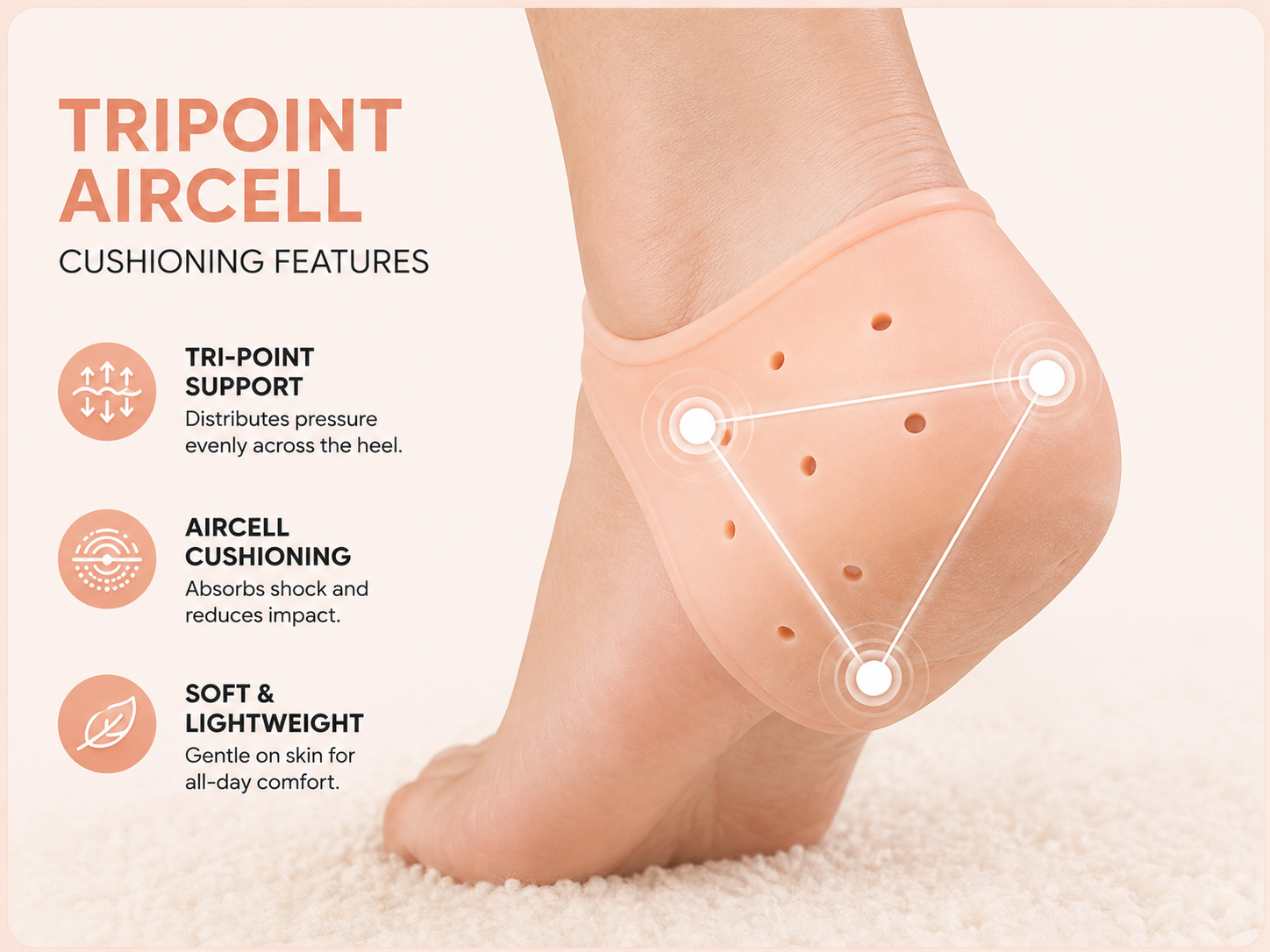
Luxerin PH Advantages
What separates this from the generic gel pads sold everywhere comes down to the material and engineering choices behind it:
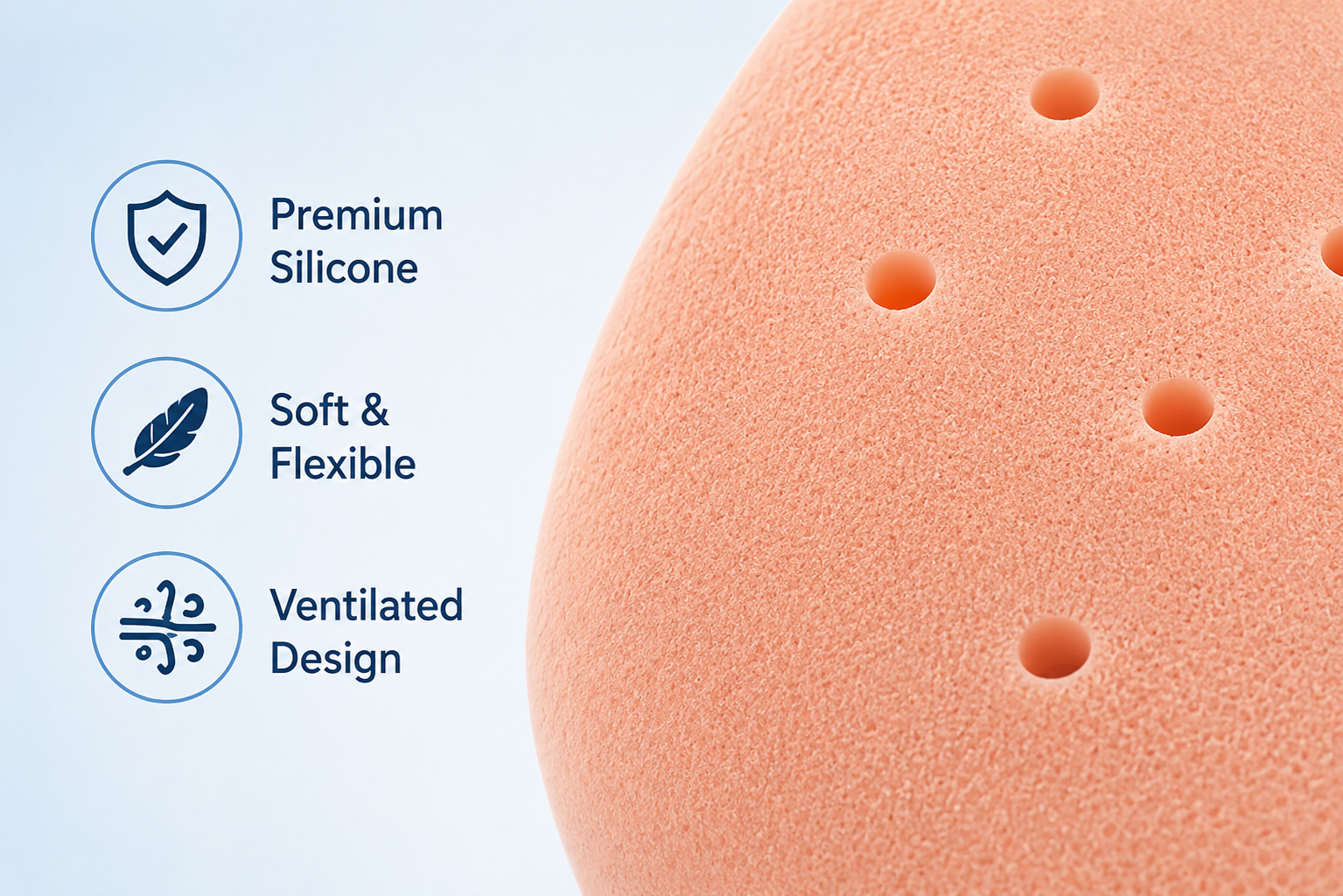
The idea isn't to replace medical care for serious conditions — it's to give the heel the kind of continuous, gentle support it's been missing between those appointments (or for the day-to-day fatigue and dryness that never quite becomes "serious enough" to bring to a doctor, but is still exhausting to live with).
What People Say They Notice
Individual results vary. These are illustrative reader-style testimonials, not verified clinical outcomes.
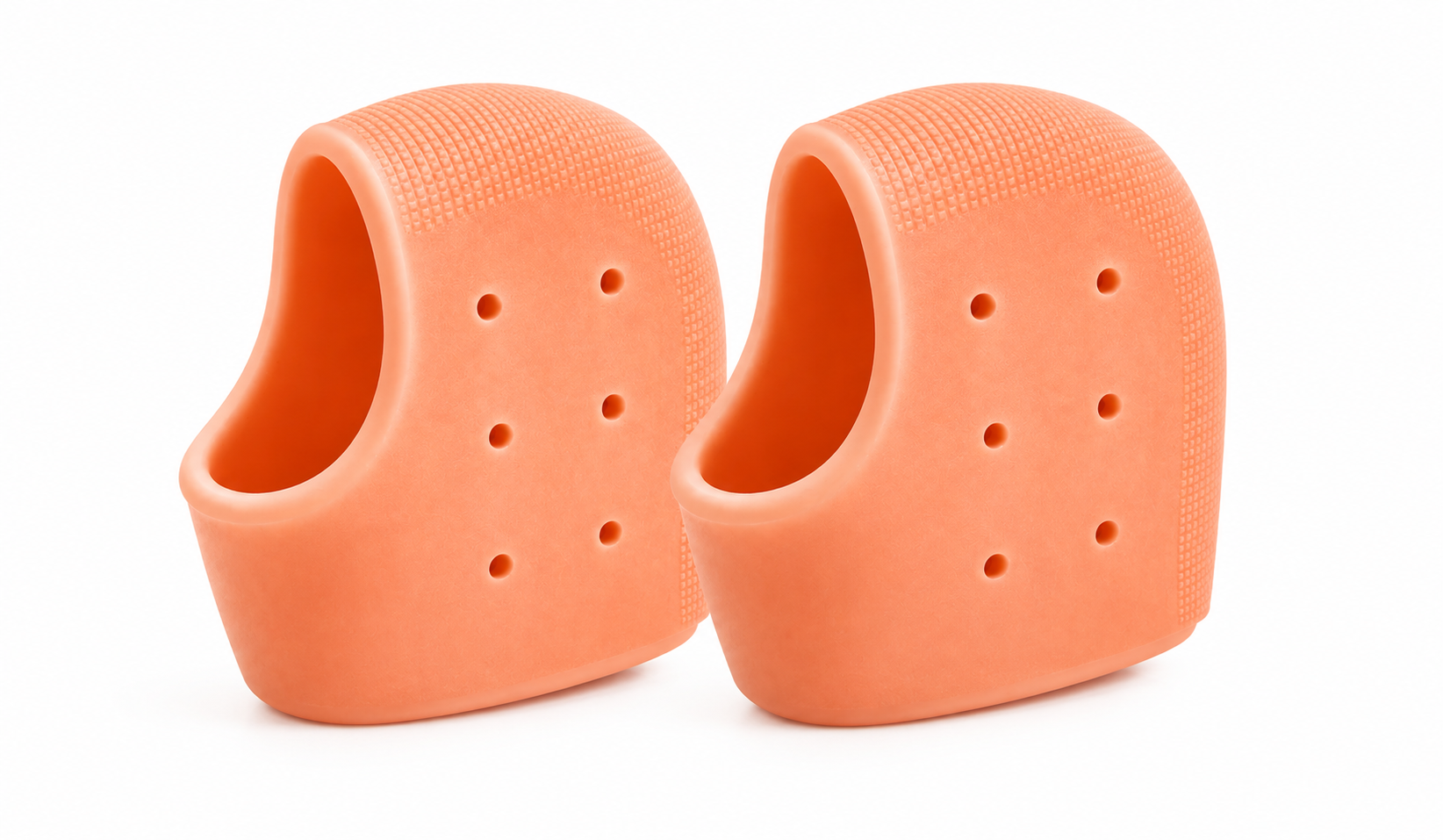
Japan-imported material · Medical-grade gel cushion · TriPoint AirCell™ ventilation · Fits most shoe sizes · Wash & reuse daily
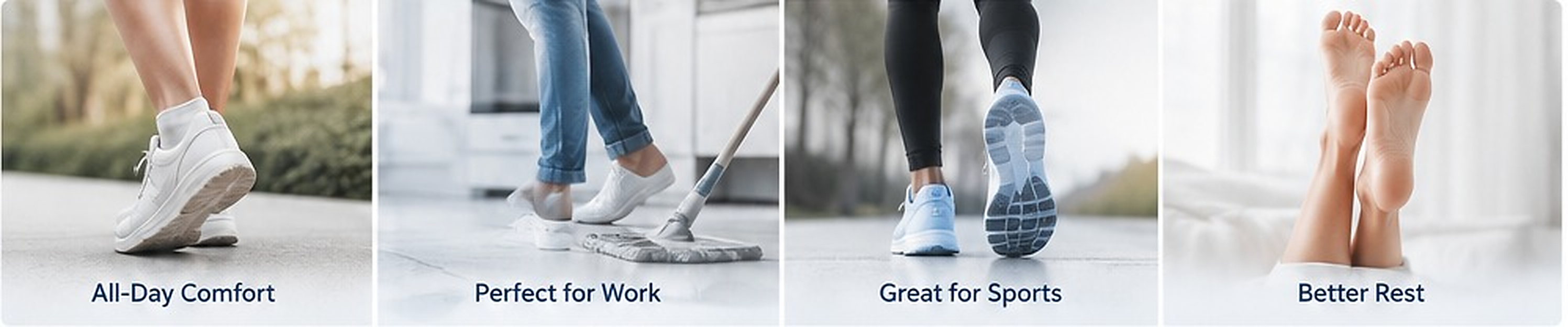
How It Helps Your Feet
- ✓Helps relieve heel pain & fatigue
- ✓Supports plantar fasciitis & arch discomfort
- ✓Helps protect heels from friction
- ✓Repairs dry & cracked heels
- ✓Helps relieve Achilles tendon & ankle stress
- ✓Supports all-day foot pain relief
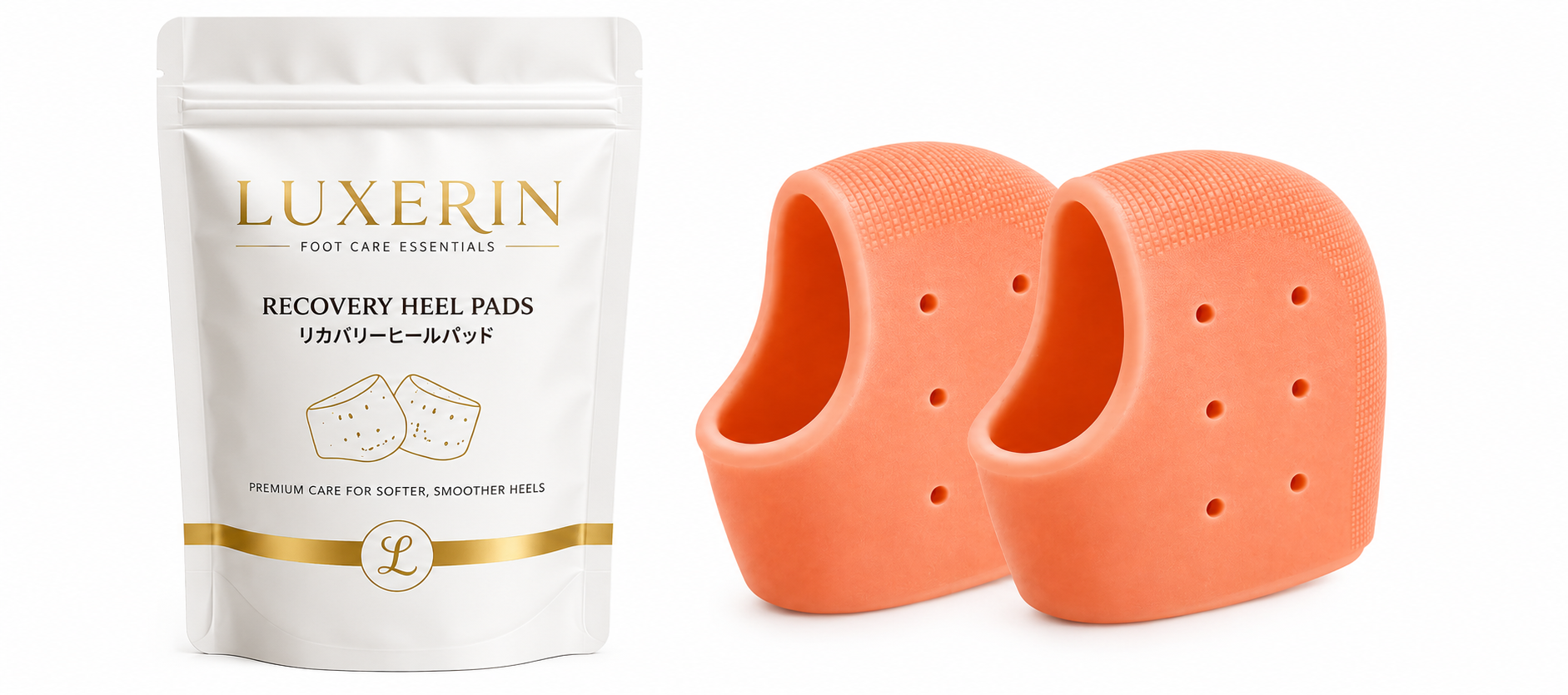

Who This Tends to Help Most
- ✓People on their feet most of the day — nurses, teachers, riders, retail & F&B staff
- ✓Anyone dealing with plantar fasciitis-type discomfort or nagging arch tightness
- ✓Heel spur or Achilles-area sensitivity that flares up after activity
- ✓Dry, cracked heels that never seem to fully heal between pedicures
The Bottom Line
Heel pain doesn't have to be something you just "manage" quietly for years. The people who've found relief usually didn't do anything dramatic — they simply gave their heels consistent, breathable support instead of asking their feet to just "tough it out" one more day.
If that first step out of bed has been the worst part of your morning for longer than you'd like to admit, it might be worth seeing what a few weeks of consistent, Japan-material support actually feels like.